- Project Location: Dongguan, Guangdong, China
- Project Time: 2023-06
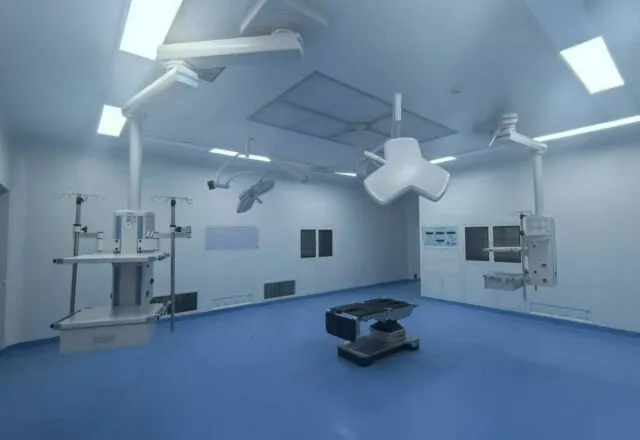
- Project Type: Modular Operating Room Construction
- Key Products: Modular Wall Panels, Laminar Flow Ceiling Systems, Operating Room Flooring, Medical Cabinets and Trolleys, Medical Gas Terminals, Environmental Control Panels, Automatic and Manual Medical Doors, and X-ray Film Viewers

About Songshan Lake Hospital: A Leading Tertiary Grade A Hospital in Dongguan
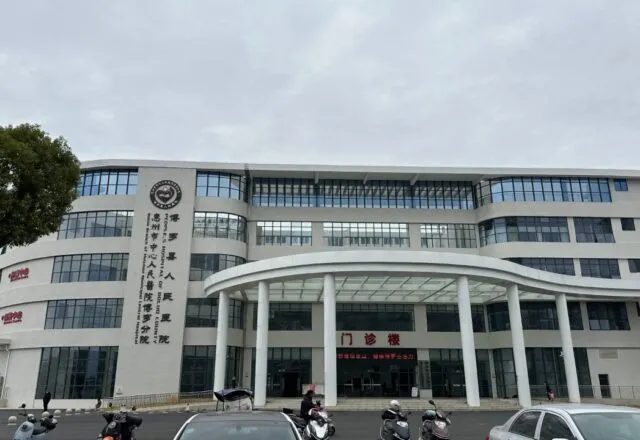
Dongguan Songshan Lake Hospital, affiliated with Guangdong Medical University, is a major public tertiary Grade A general hospital in Dongguan, Guangdong Province, China. Formerly known as Huiyu Hospital, its history dates back to 1901, with the original hospital completed in 1903. Over more than a century of development, the hospital has evolved into a comprehensive medical institution integrating clinical services, medical education, scientific research, disease prevention, rehabilitation, and healthcare. Located at the intersection of Dongguan and neighboring areas including Huizhou and Zengcheng, the hospital serves as an important regional medical center. It is also the Third Clinical Medical College of Guangdong Medical University in Dongguan, contributing to clinical education, professional medical training, and the development of healthcare talent.Large-Scale Medical Infrastructure and High Patient Volumes
The hospital occupies approximately 59,000 square meters, with a total building area of around 139,000 square meters and 1,400 approved beds. It handles nearly 1.5 million outpatient visits, approximately 60,000 inpatient cases, and nearly 40,000 surgical procedures annually, demonstrating the scale and complexity of its medical operations. These demands place considerable importance on well-planned clinical infrastructure, efficient departmental layouts, and reliable operating room environments. In particular, modern surgical facilities require coordinated architectural systems, controlled ventilation, appropriate medical gas infrastructure, and practical equipment integration. Modular operating room systems offer a structured approach to integrating essential components such as modular wall panels, laminar flow ceilings, specialized flooring, medical cabinets, medical gas terminals, and environmental control panels. These elements help establish an organized surgical environment when designed and commissioned in accordance with the specific clinical and engineering requirements of the hospital.Advanced Cardiovascular Care and Specialized Surgical Facilities
One of the hospital’s major developments is its cardiovascular disease diagnosis and treatment center, which has 233 beds and brings together cardiovascular medicine, cardiovascular surgery, cardiac surgery, cardiac rehabilitation, and traditional Chinese medicine services for cardiovascular care. The center is equipped with advanced facilities, including a hybrid operating room that supports the integration of surgical and interventional procedures. The hospital has also established an aerial medical transfer helipad to support emergency medical services. Its cardiovascular capabilities underscore the importance of specialized surgical infrastructure, equipment coordination, and dependable environmental control. For advanced surgical environments, the configuration of operating room wall systems, ceiling-mounted equipment interfaces, medical gas terminals, temperature and airflow control panels, and other supporting facilities must be carefully coordinated with the overall room design.Comprehensive Clinical Departments and Recognized Specialty Centers
The hospital has 54 clinical disciplines, 65 subspecialties, and eight medical technology departments. Its clinical services cover a broad range of specialties, including cardiovascular medicine, oncology, infectious diseases, neurology, respiratory medicine, general surgery, obstetrics and gynecology, rehabilitation, emergency medicine, orthopedics, and clinical pharmacy. The hospital has established seven nationally recognized specialty centers covering chest pain, heart failure, atrial fibrillation, advanced stroke care, epilepsy, memory disorders, and stroke services. Infectious diseases and rehabilitation are among its Guangdong provincial clinical key specialties, while cardiovascular medicine, oncology, clinical pharmacy, and gynecology are included in provincial key specialty development programs. In addition, 21 specialties have been recognized as key specialties at the Dongguan municipal level. These clinical capabilities reflect the hospital’s broad service scope and its role in treating complex conditions across multiple medical disciplines. A hospital with such a diverse clinical portfolio requires medical environments tailored to different procedures and workflows. Operating room construction therefore involves more than the installation of individual products: it requires coordination between the room enclosure, clean air delivery system, floor finishes, built-in medical furniture, medical gas infrastructure, and clinical support equipment.Advanced Medical Equipment and Precision Diagnosis
The hospital is equipped with a wide range of advanced diagnostic and therapeutic technologies, including a medical linear accelerator, SPECT imaging equipment, three CT scanners, a mobile CT system, two MRI systems, five Philips and Siemens angiography X-ray systems, extracorporeal membrane oxygenation systems (ECMO), heart-lung machines, and real-time four-dimensional ultrasound systems. Its equipment portfolio also includes digital mammography, digital diagnostic X-ray systems, automated biochemical analyzers, chemiluminescence immunoassay analyzers, and various electronic endoscopes. These technologies support the hospital’s diagnostic, interventional, surgical, and treatment capabilities. As advanced medical equipment becomes increasingly integrated into clinical workflows, the design of operating rooms must accommodate equipment placement, service connections, staff access, and operational requirements. For modular operating room projects, this makes the coordination of wall panels, laminar flow ceiling layouts, medical gas terminals, equipment interfaces, and operating room control panels particularly important. Appropriate planning helps ensure that the physical environment supports the intended use of the installed medical equipment.Medical Talent, Clinical Education, and Research Innovation
The hospital has a substantial medical workforce and an established clinical education and research system. According to the hospital profile provided for this project, it employs more than 1,700 staff members, including 147 senior-level experts, 314 deputy senior-level experts, 95 doctoral degree holders, and 282 master’s degree holders. More than 130 staff members serve as part-time professors at higher medical education institutions, and 31 are master’s or doctoral supervisors. The hospital also serves as a clinical education and training institution, supporting undergraduate and postgraduate medical education, continuing education, and standardized residency training. Its research activities span clinical medicine, precision diagnosis, pharmacology, reproductive medicine, neuroscience, cardiovascular aging, tumor research, and other specialized fields. The hospital has reported 240 research projects, including 17 National Natural Science Foundation of China projects, alongside provincial and departmental research initiatives. Its reported achievements also include scientific publications, invention patents, utility model patents, software copyrights, and research commercialization projects. This combination of clinical expertise, academic training, and research capacity reinforces the hospital’s position as a comprehensive medical institution. Its continuing development also highlights the importance of modern healthcare infrastructure that can support evolving clinical technologies and specialized treatment requirements.A Strong Foundation for Modern Operating Room Development
With its century-long medical heritage, large patient base, specialized clinical centers, advanced diagnostic equipment, and strong teaching and research capabilities, Dongguan Songshan Lake Hospital represents an important example of modern regional healthcare development in Guangdong Province. Within this context, modular operating room construction requires an integrated approach to architectural structure, environmental control, medical infrastructure, and clinical support facilities. Modular wall panels, laminar flow ceilings, operating room flooring, medical cabinets and trolleys, medical gas terminals, temperature and airflow control panels, and X-ray film viewers all contribute to the overall room configuration. These systems and products must be selected and coordinated according to the intended surgical procedures, applicable technical requirements, and project-specific engineering design. Pengchi Intelligent’s modular operating room and medical furniture solutions are designed to address these interconnected requirements, supporting the development of functional, organized, and professionally configured surgical environments for modern hospitals.Modular Operating Room Systems
1. Modular Wall Panels
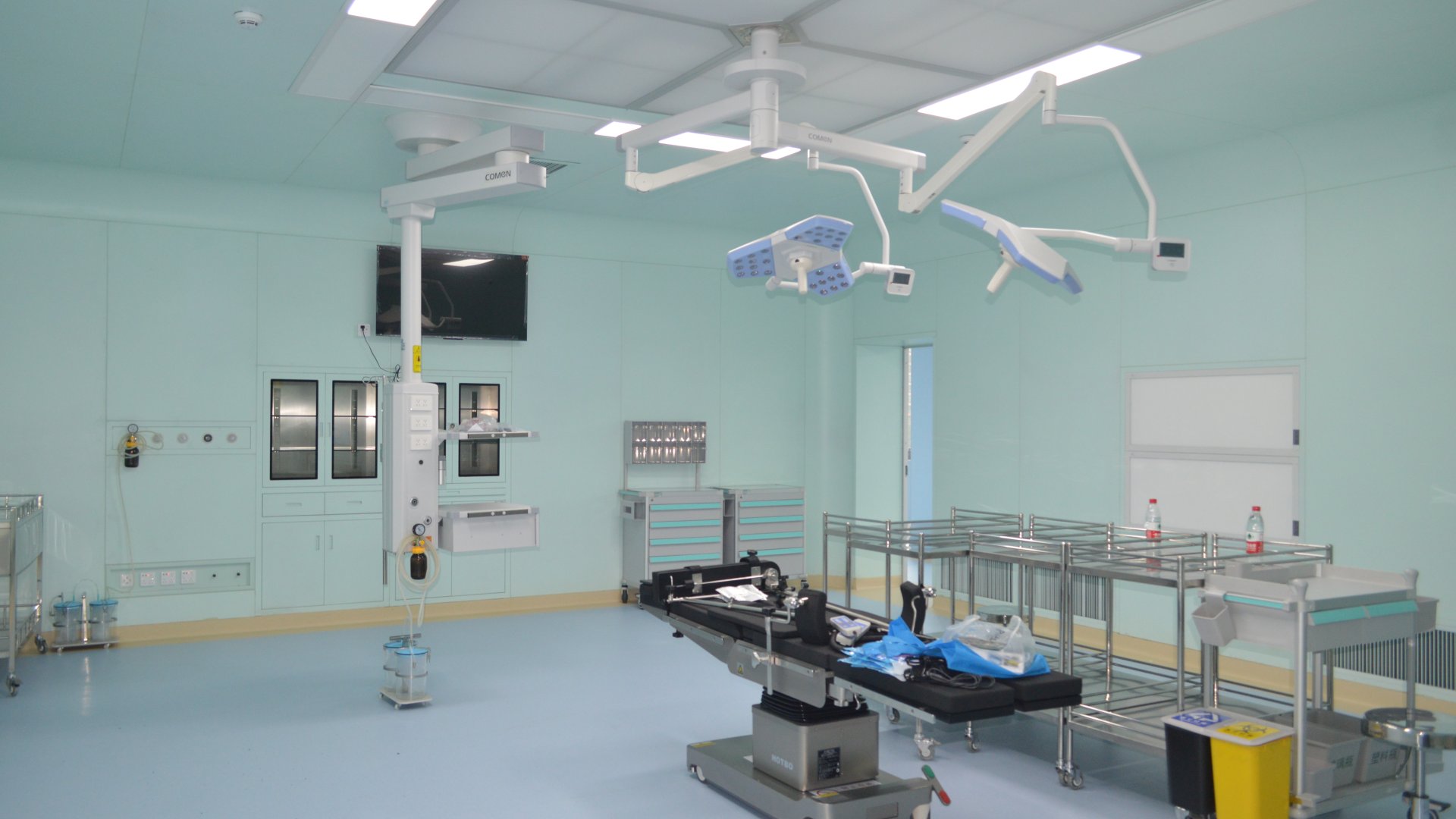
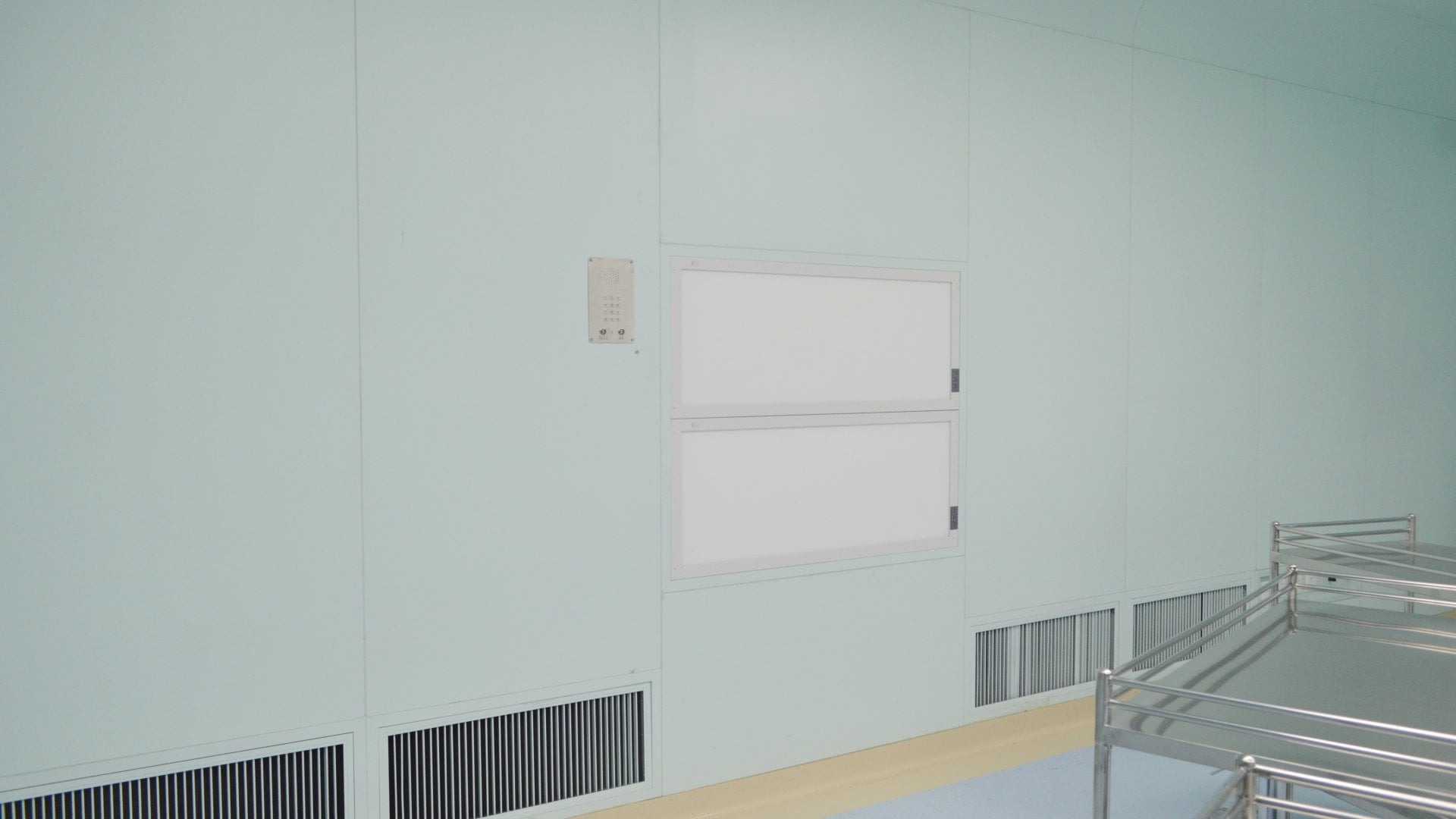
The modular wall panel system forms the main enclosure of the operating room. Its integrated design supports a clean and organized interior while providing mounting and installation interfaces for essential medical equipment. The modular construction approach helps coordinate wall panels with doors, cabinets, control panels, and other built-in components, creating a consistent interior finish and facilitating installation and maintenance.2. Laminar Flow Ceiling System
The laminar flow ceiling is an important component of the operating room ventilation system. It works with the hospital’s HVAC and air filtration systems to deliver appropriately conditioned and filtered air to the designated surgical zone. The ceiling layout must be coordinated with surgical lights, medical pendants, and other ceiling-mounted equipment. Proper system design and commissioning are essential to achieving the required airflow distribution and operating room environmental conditions.3. Operating Room Flooring
The operating room flooring provides a durable, easy-to-clean surface for daily surgical activities. It is selected and installed with consideration for hygiene, wear resistance, cleaning requirements, and compatibility with the overall modular room structure. Careful coordination between the floor, wall panels, and other interfaces helps create a cohesive interior environment suitable for demanding healthcare applications.Integrated Operating Room Medical Equipment
In addition to the modular room structure, the project includes essential medical accessories and supporting equipment to improve operational convenience and equipment integration.4. Operating Room Cabinets and Medical Trolleys
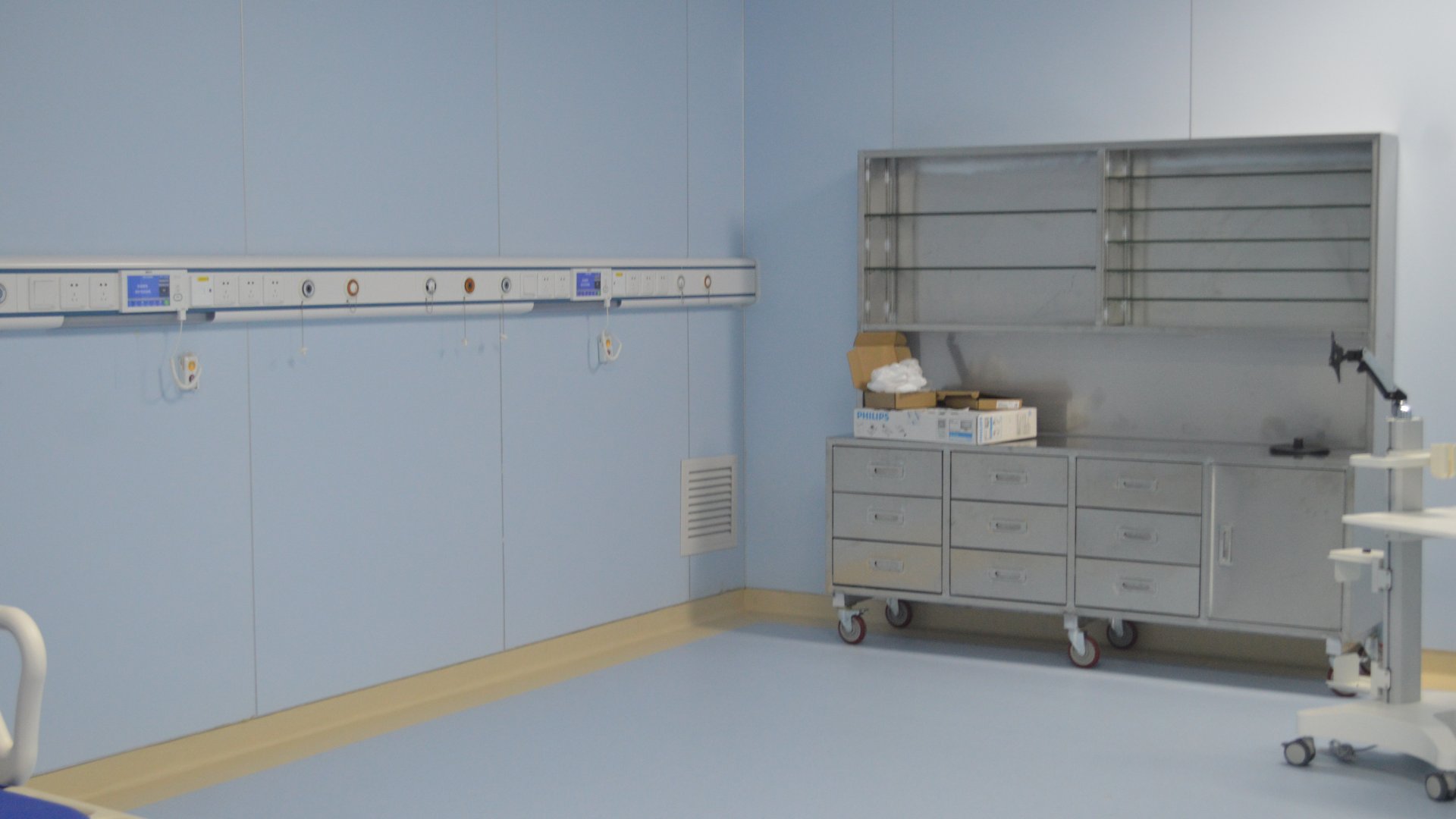
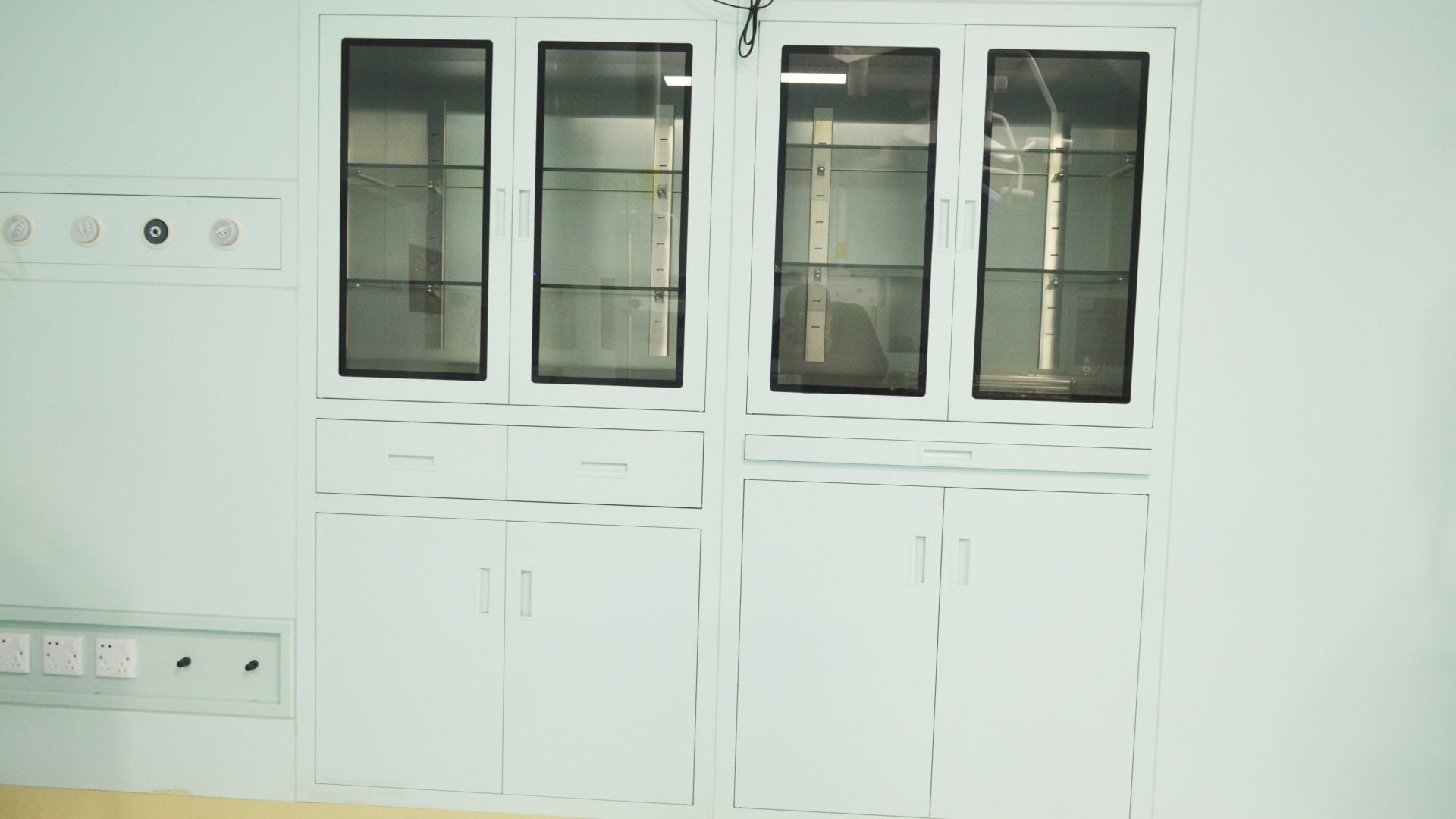
Operating room cabinets provide organized storage for medical supplies, instruments, and other necessary items. Medical trolleys support the movement of supplies and equipment within the clinical environment. These products help optimize storage arrangements, maintain an orderly workspace, and support efficient daily workflows for medical staff.5. Medical Gas Terminals
Medical gas terminals provide connection points for designated medical gas supplies at the required locations. Their configuration must be coordinated with the hospital’s medical gas pipeline system and the clinical requirements of the operating room. Appropriate installation, identification, testing, and commissioning are essential to ensure safe integration into the hospital’s medical gas infrastructure.6. Operating Room Temperature and Airflow Control Panels
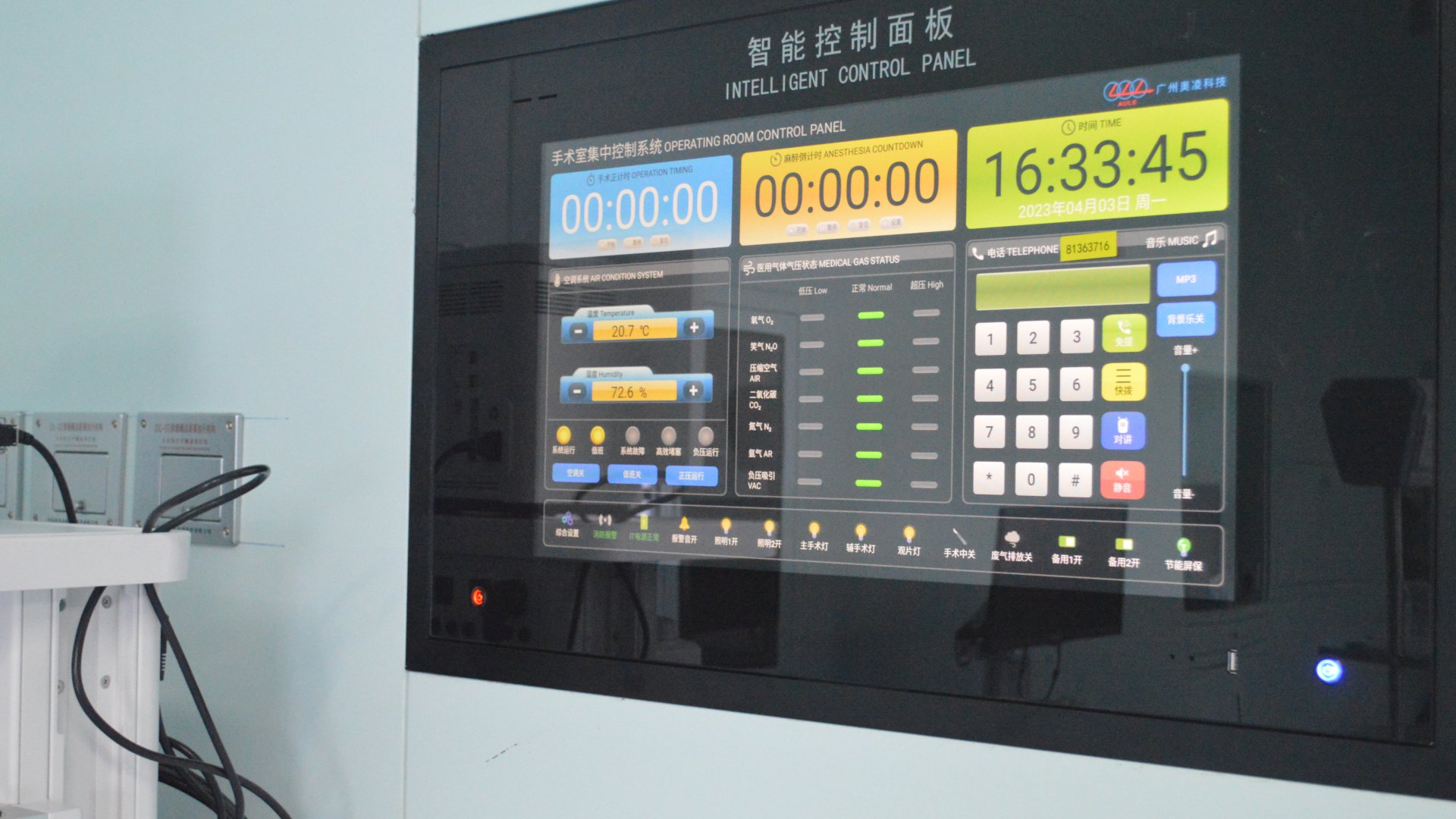
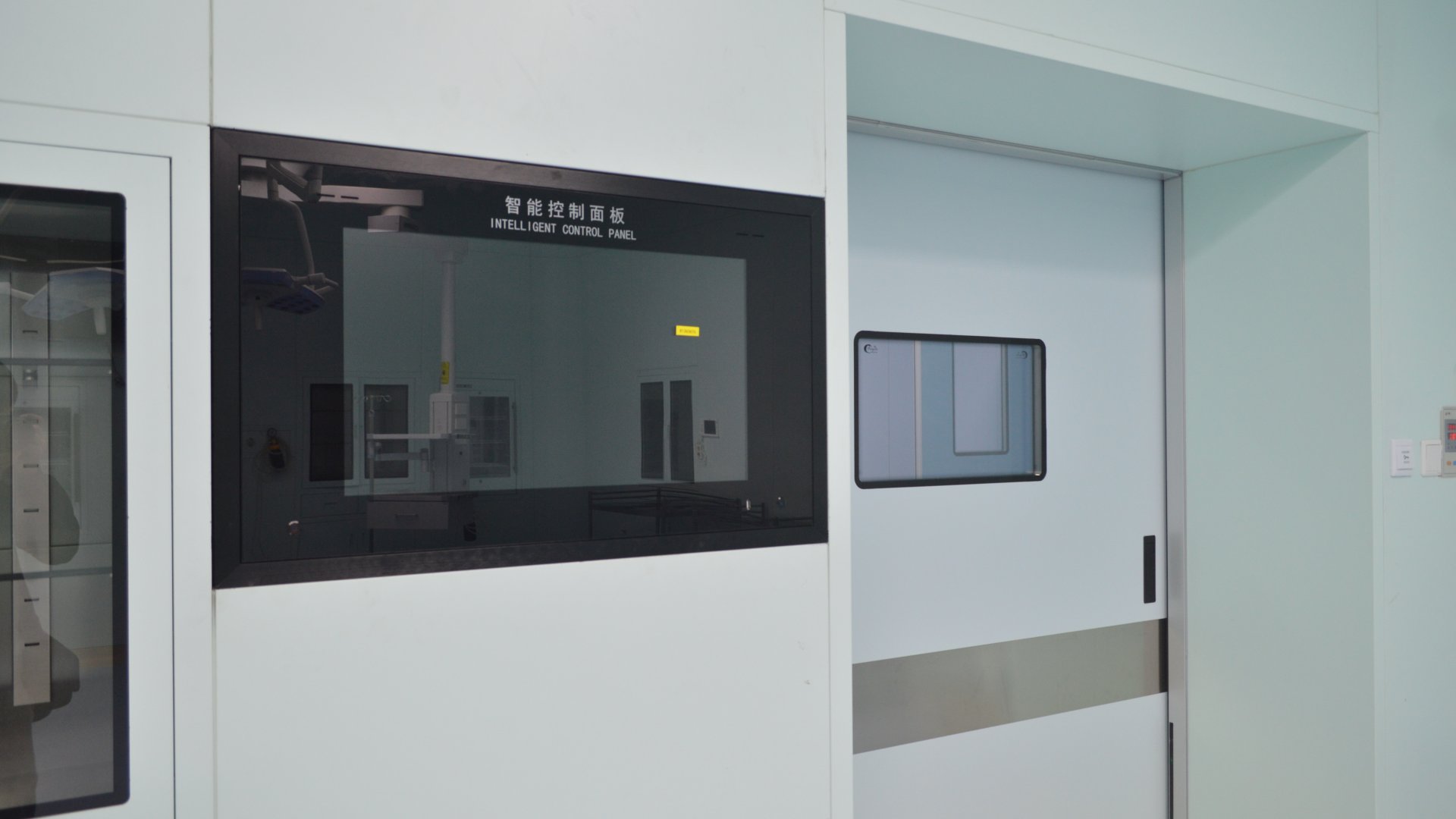
Temperature and airflow control panels provide an interface for monitoring or adjusting designated operating room environmental parameters, depending on the installed control system. By coordinating these control interfaces with the ventilation and building management systems, the operating room can be configured to support the required temperature, airflow, and pressure-control strategy.7. X-ray Film Viewers
X-ray film viewers provide illuminated viewing surfaces for medical imaging films when required by the clinical workflow. Integrated into the operating room wall layout, they offer convenient access to imaging information while helping maintain an organized working environment.Operating Room Medical Doors
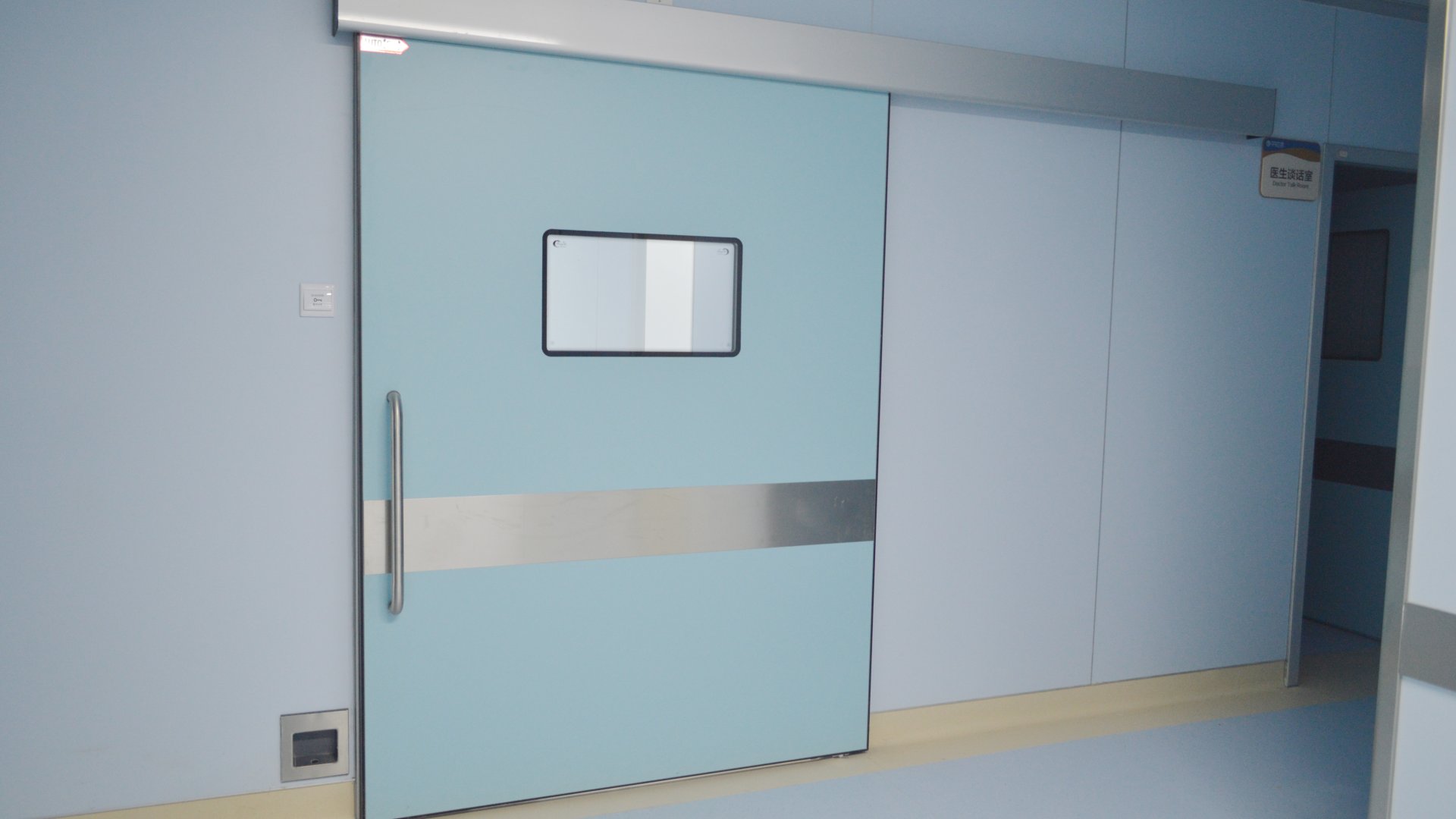
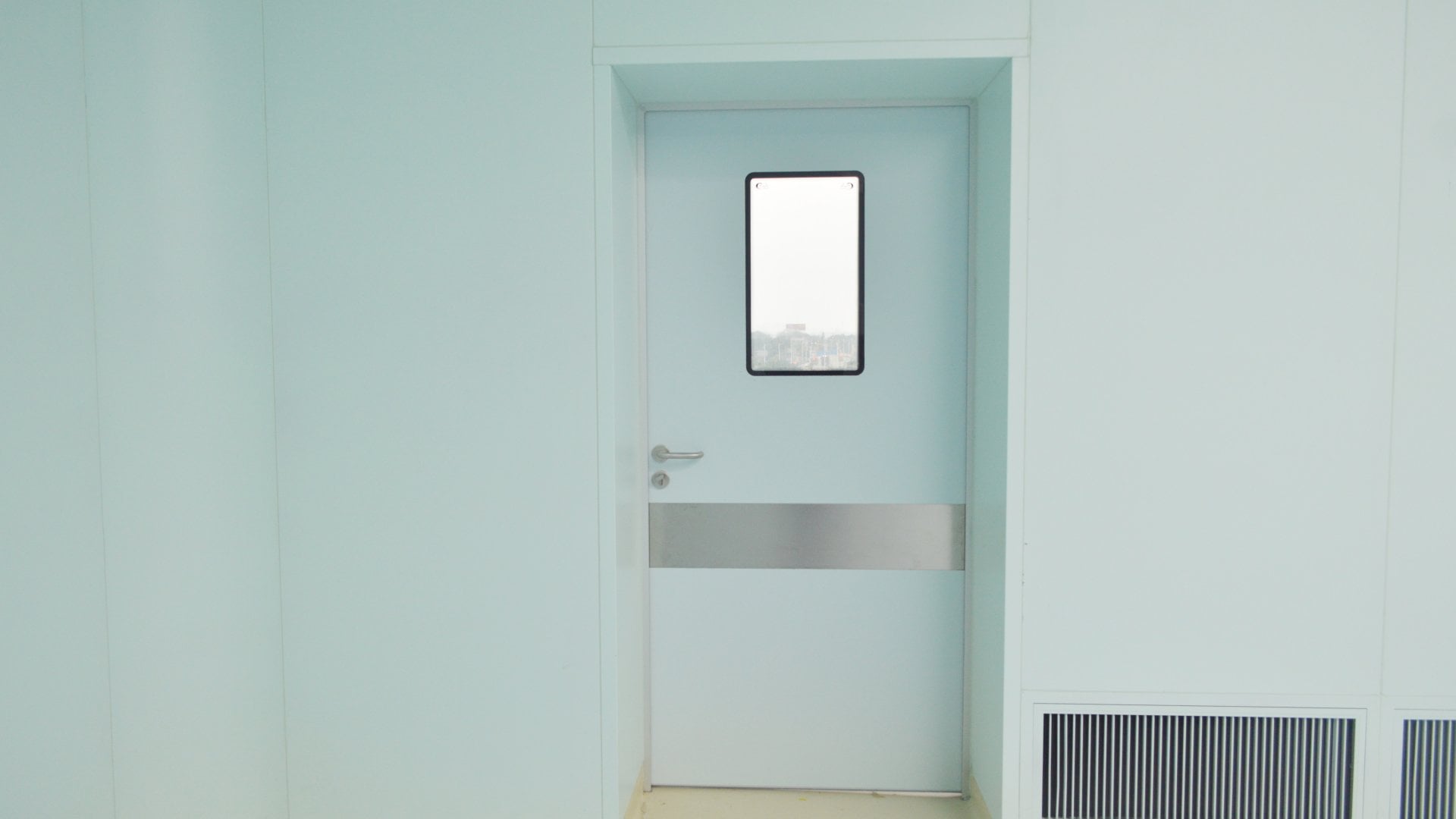
For the Songshan Lake Hospital project, Pengchi Intelligent supplied and installed medical doors for the operating room department, including automatic hermetic sliding doors and manual hinged cleanroom doors coordinated with the modular wall panel system.8. Automatic Sliding Medical Doors
Automatic hermetic sliding doors are installed at operating room entrances and clean corridor junctions where hands-free operation and reliable sealing are required. Each door combines an overhead track and drive unit, motion sensor, sealed observation window and smooth cleanroom-grade steel panels, and can be interlocked with access control and the operating room intelligent control panel.9. Manual Medical Doors
Manual hinged medical doors serve ancillary and secondary cleanroom entrances. They use a reinforced steel frame with flush easy-to-clean panels, a sealed rectangular observation window, lever handle and stainless steel kick plate, matching the finishes of the modular partition and wall panel system.